Landscape strategy
The landscape proposals are based around the existing features such as Hartley Woods and Pickers Ditch. The character of Pickers Ditch Meadow will extend into the application site, spread greenery throughout the area, and create new parks and green spaces connected by green links.
The current landscape strategy will deliver:
- Approximately 45% of the total site as open space, (that is nearly 73ha = over 100 football pitches)
- Significantly more than 10% Biodiversity Net Gain
- Every home within 4 minutes walk of open space
| Community priorities for Clacton | How our proposals have responded | |
| Spaces |
play spaces | at least 4 new play spaces, with all homes within a few minutes walk of play spaces, and one new destination play area within 10 minutes of many existing Clacton homes will be provided |
| walking routes, including rest stops |
network of attractive walking routes through new parks and improved access to areas such as Pickers Ditch are set out in proposals | |
| nature | approx. 45% of the site will be open space, with many areas enhanced for wildlife and nature to thrive | |
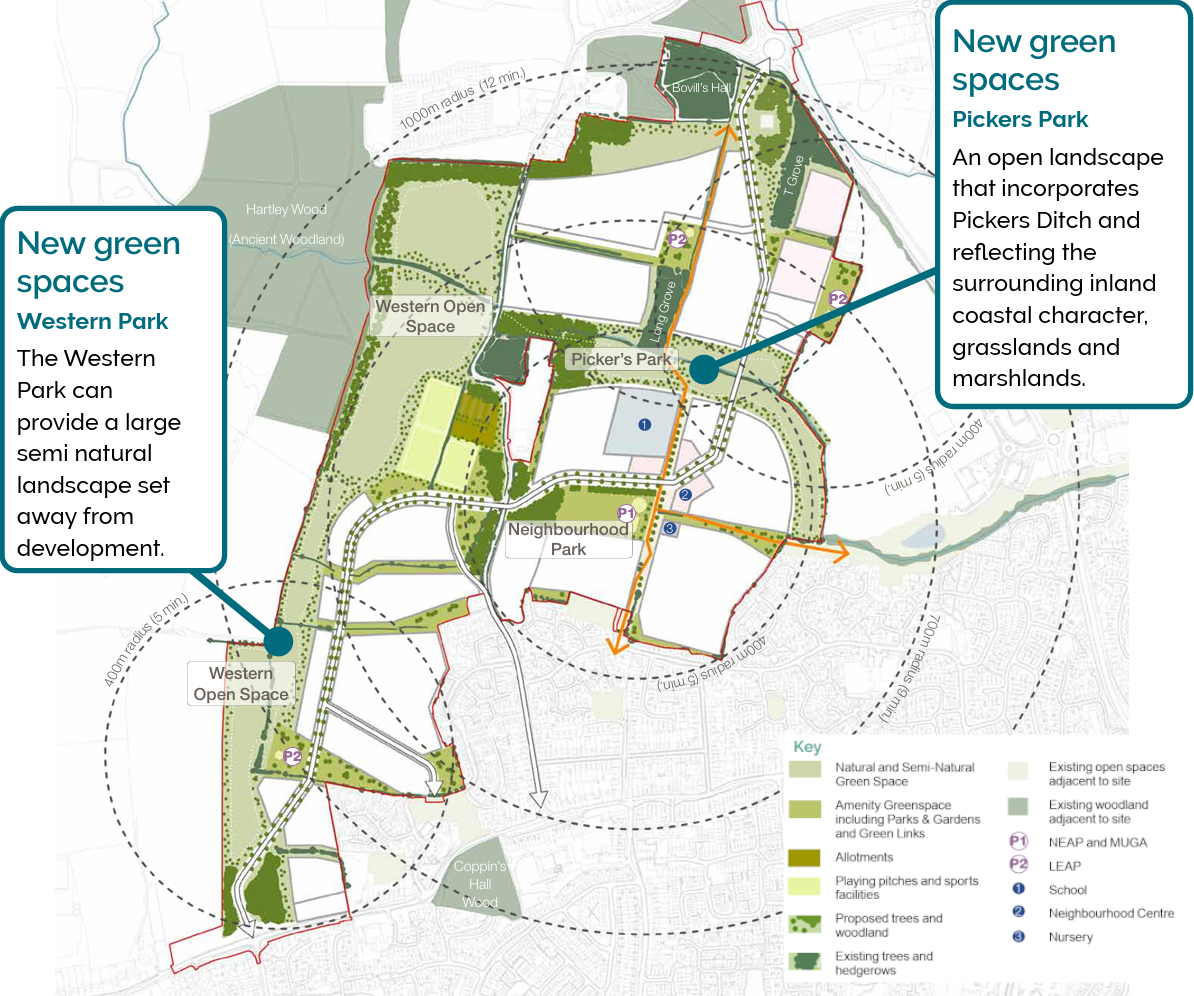
Landscape strategy - click to enlarge
What Pickers Park could look like:
An open landscape reflecting the surrounding inland coastal character, grasslands and marshlands.
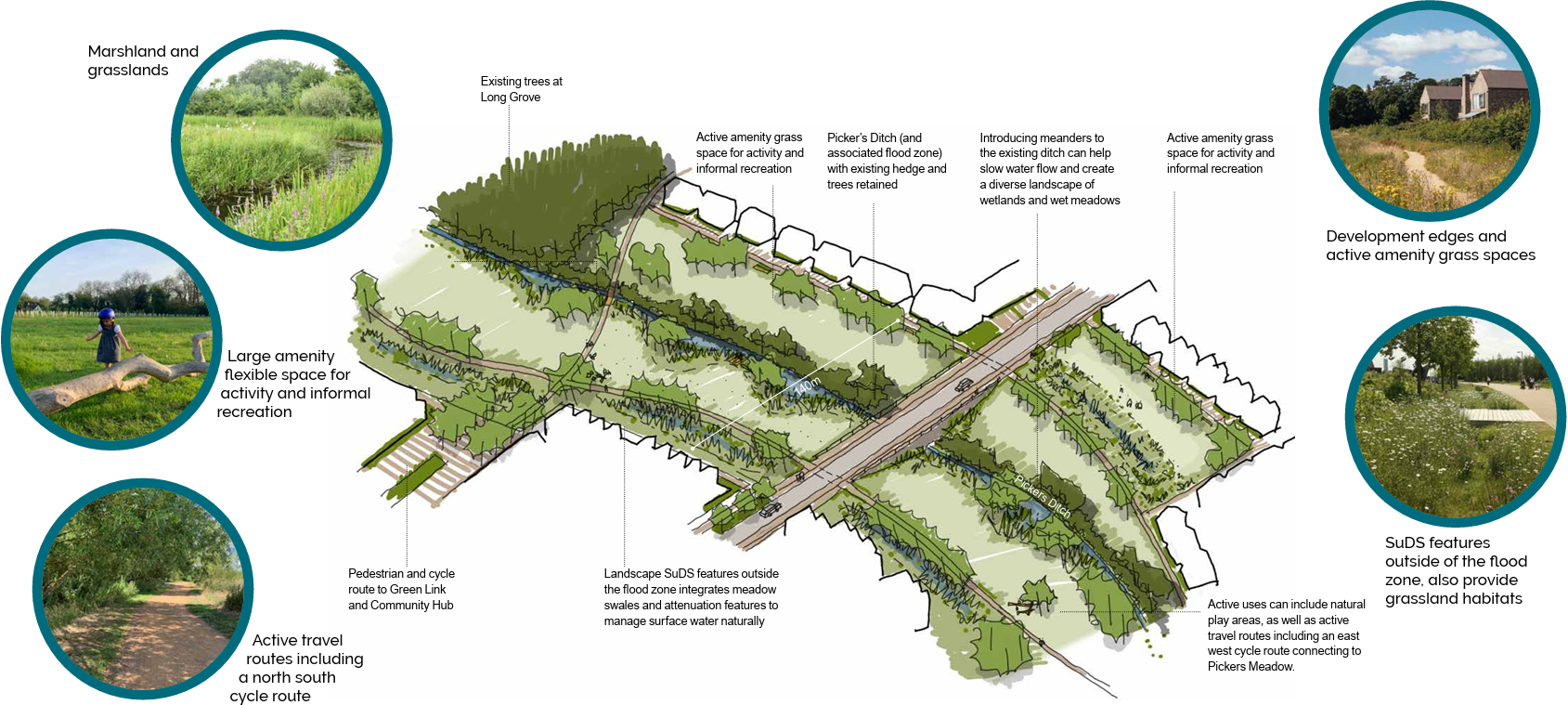
Click to enlarge
Neighbourhood Park
What the Neighbourhood Park could look like:
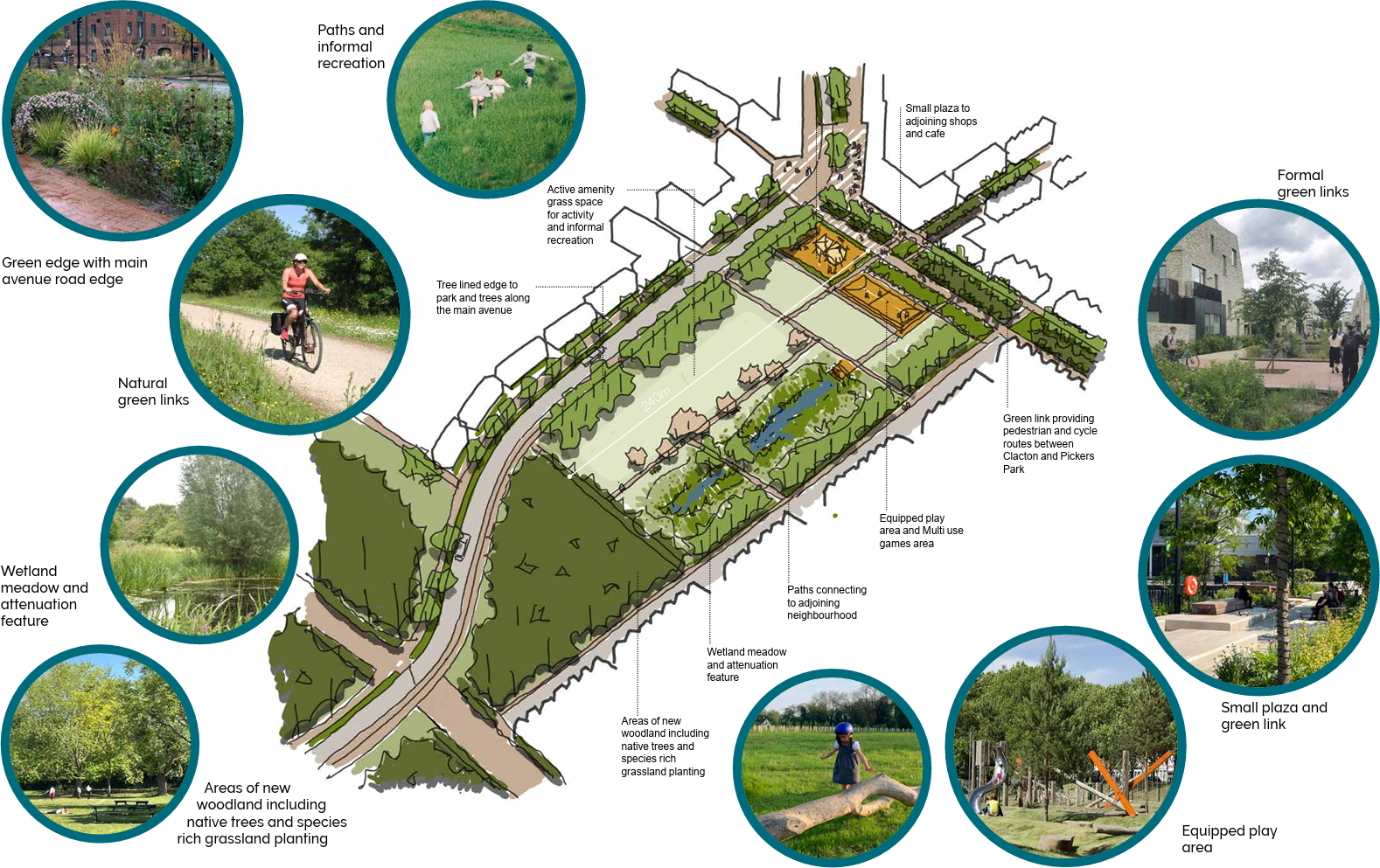
Click to enlarge
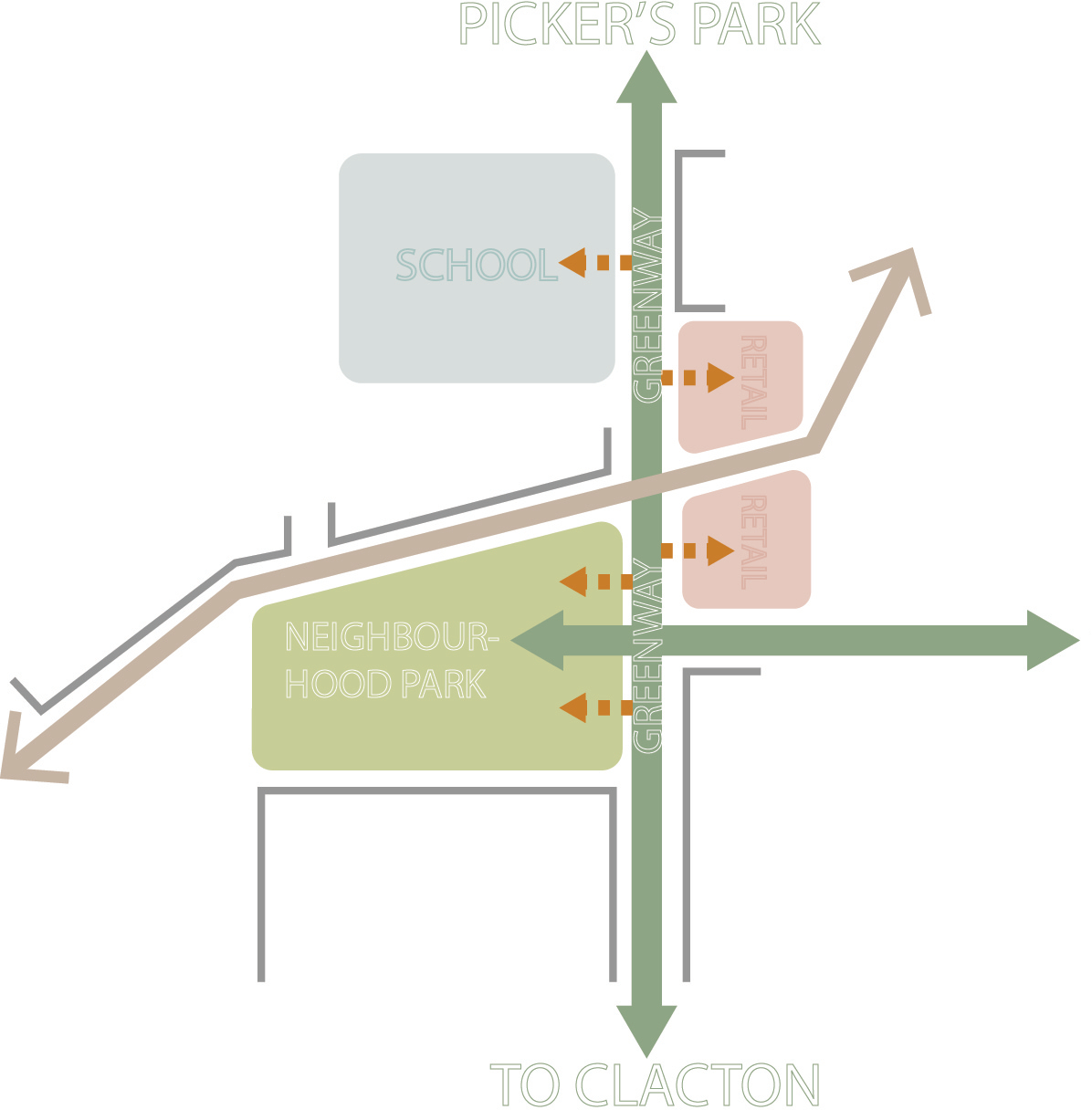
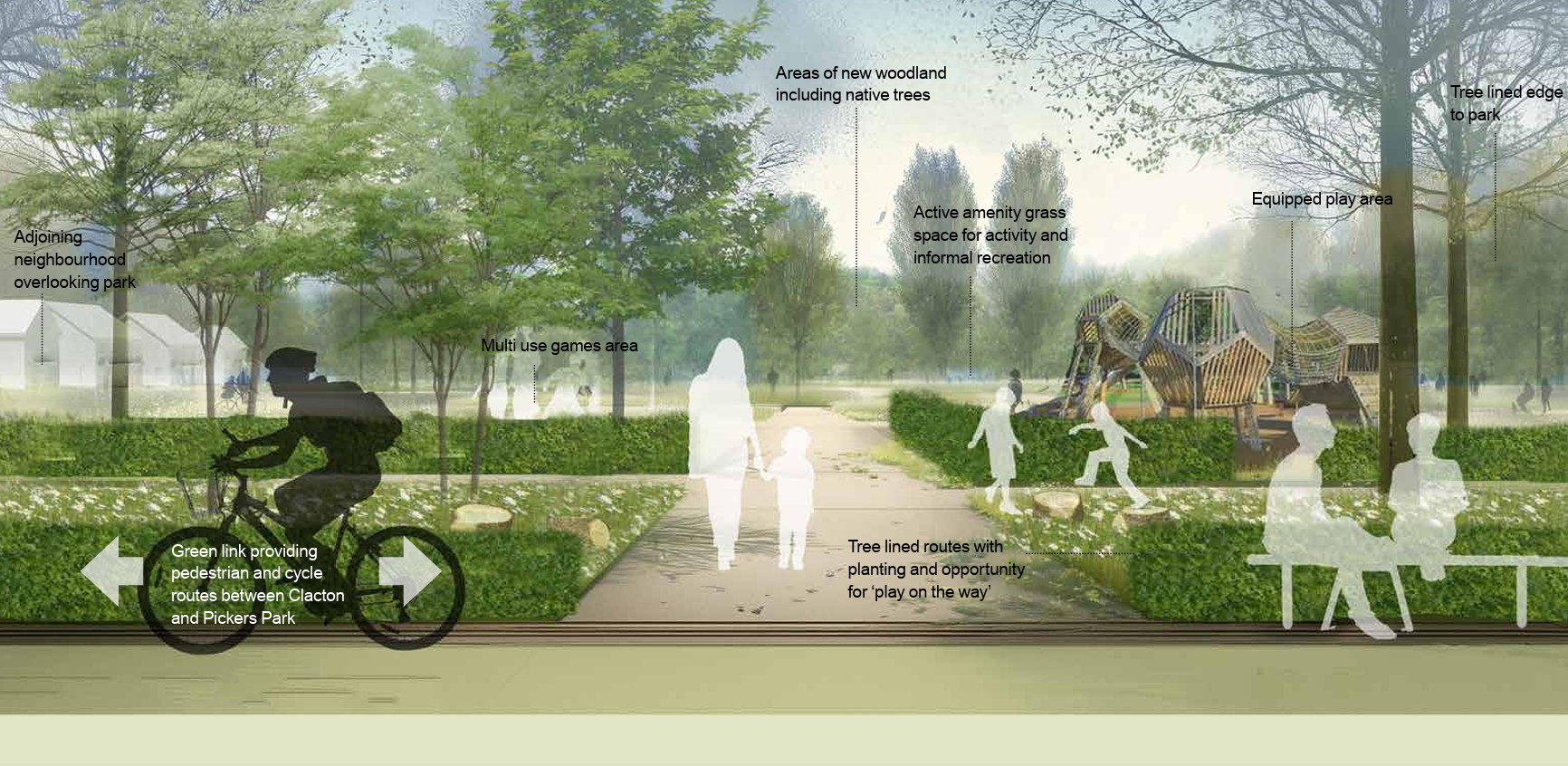
Biodiversity and drainage
Homes England's Concept Masterplan has been informed by the ‘Building with Nature’ standards and considers the relationships between water, wildlife and wellbeing. A connected and multi-functional network of green and blue infrastructure is proposed, providing sustainable drainage (SuDS), natural features or habitats, as well as space for play and recreation. The strategy will ensure water is managed across the site, and deliver at least 10% biodiversity net gain.
Pickers Ditch
The ditch is being retained and enhanced to form Pickers Park. The park will provide amenity space, attractive walking and cycling routes and habitats for wildlife. There will be crossings over the ditch for pedestrians and cyclists, as well as a bridge designed to let flood waters pass through.
Approach to SuDS
To manage rainwater, ponds and shallow ditches will be built to slow the flow before it reaches Pickers Ditch. A network of these natural drainage features across the site will help manage surface water and create natural habitats for wildlife.
Ecology on Site
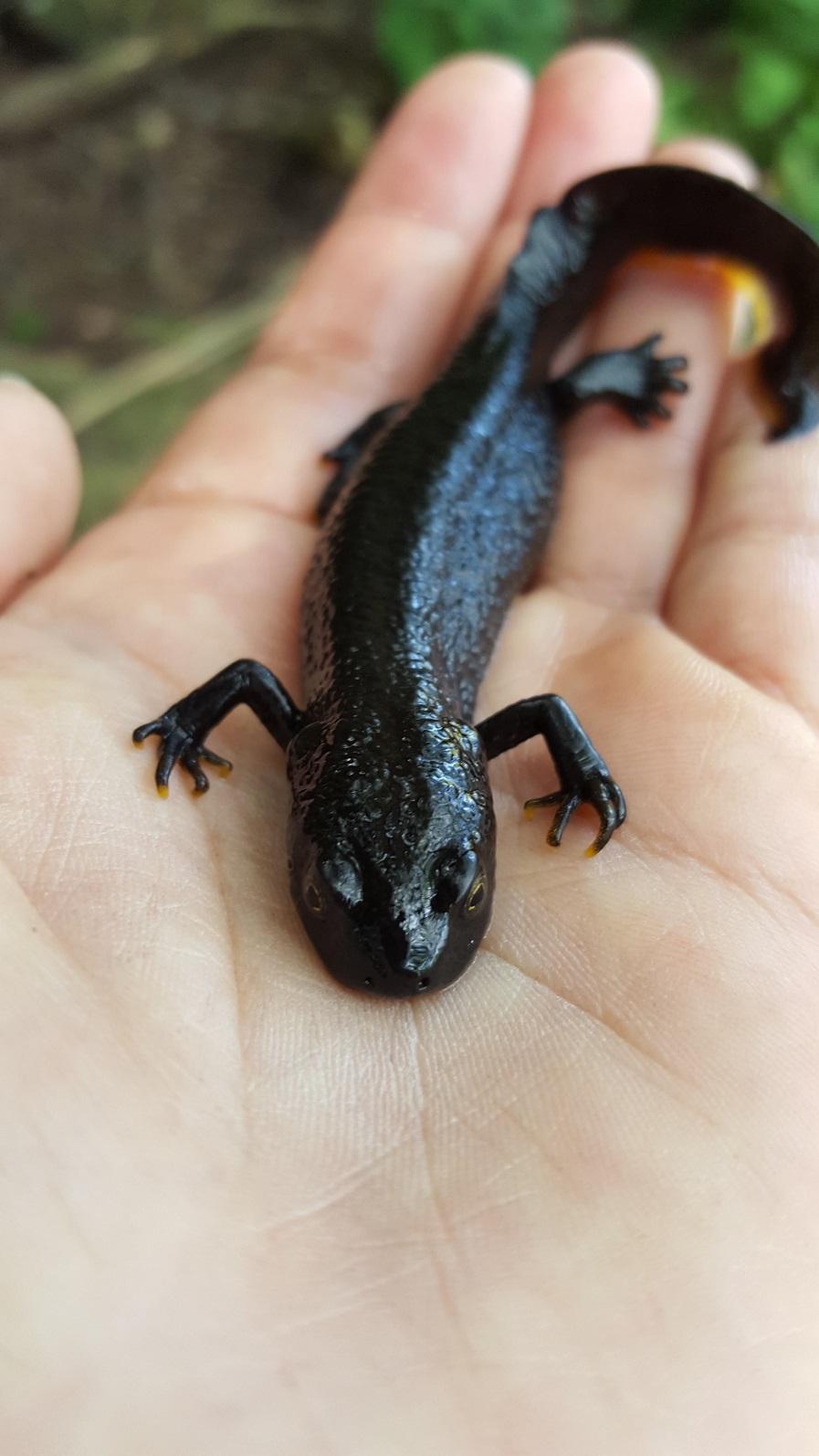
Surveys so far have shown a variety of animals on site whose habitats will be protected and integrated into the development. These include bats, Great Crested Newts and Golden Plover.
Dark corridors
A Dark corridor is a pathway or habitat area maintained in darkness or low light conditions to support the movement, foraging, and roosting of bats. These dark buffers will provide a network of foraging bat habitats in the development.
Wintering Birds
Golden Plover have been found to inhabit the southern part of the site over winter. The proposals will provide strategically located open space and appropriate planting to support these birds and other species on the site.
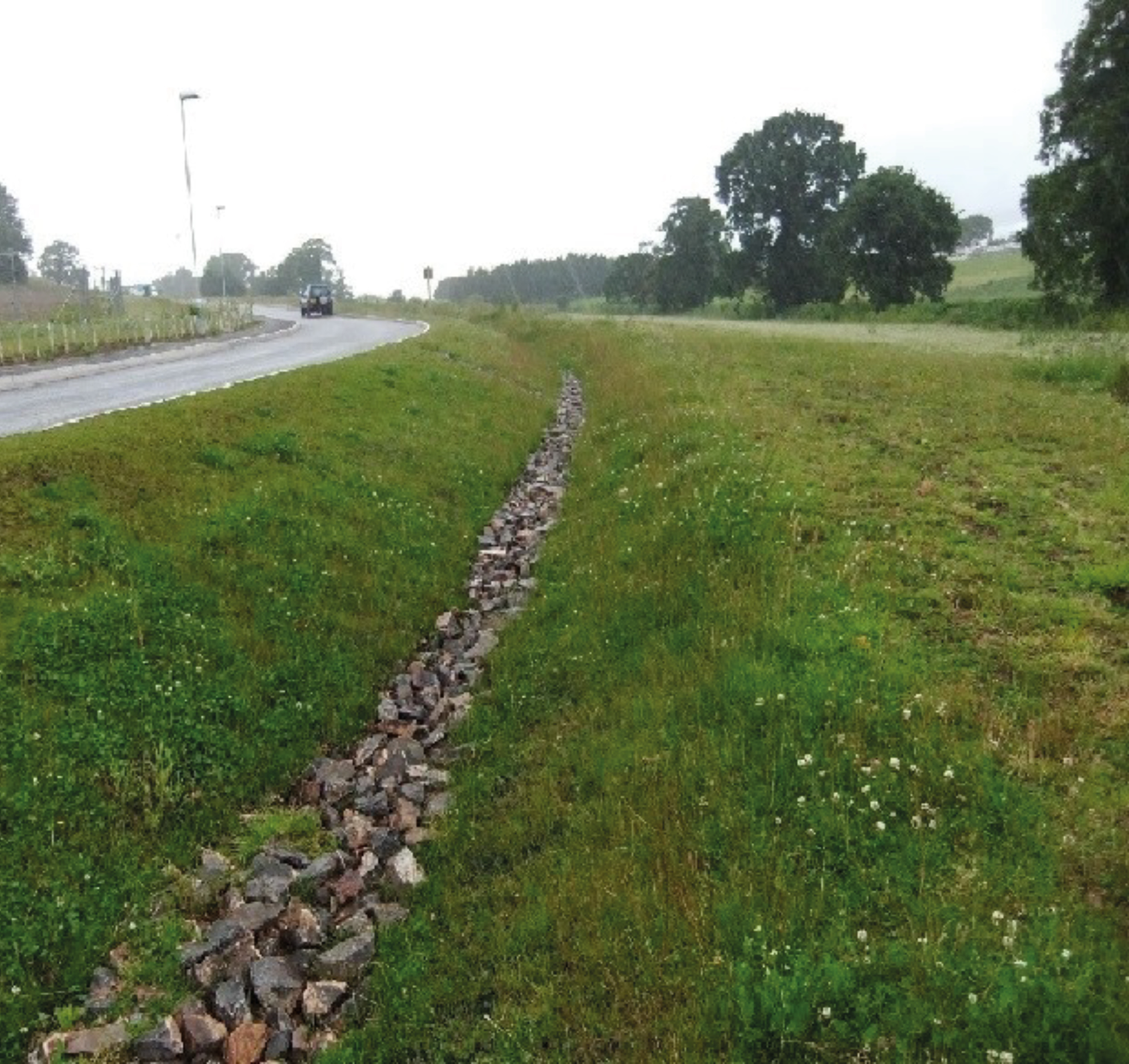
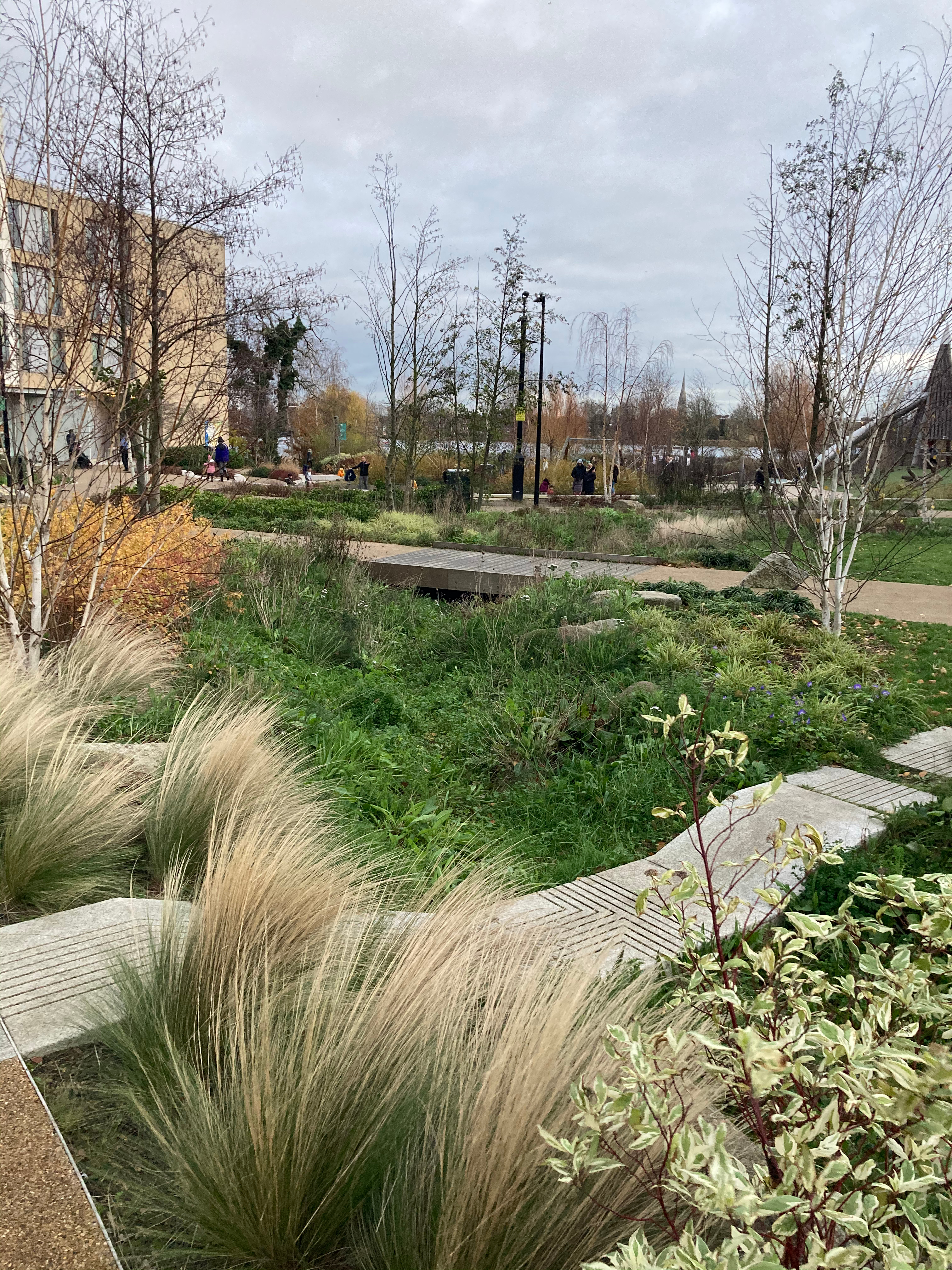
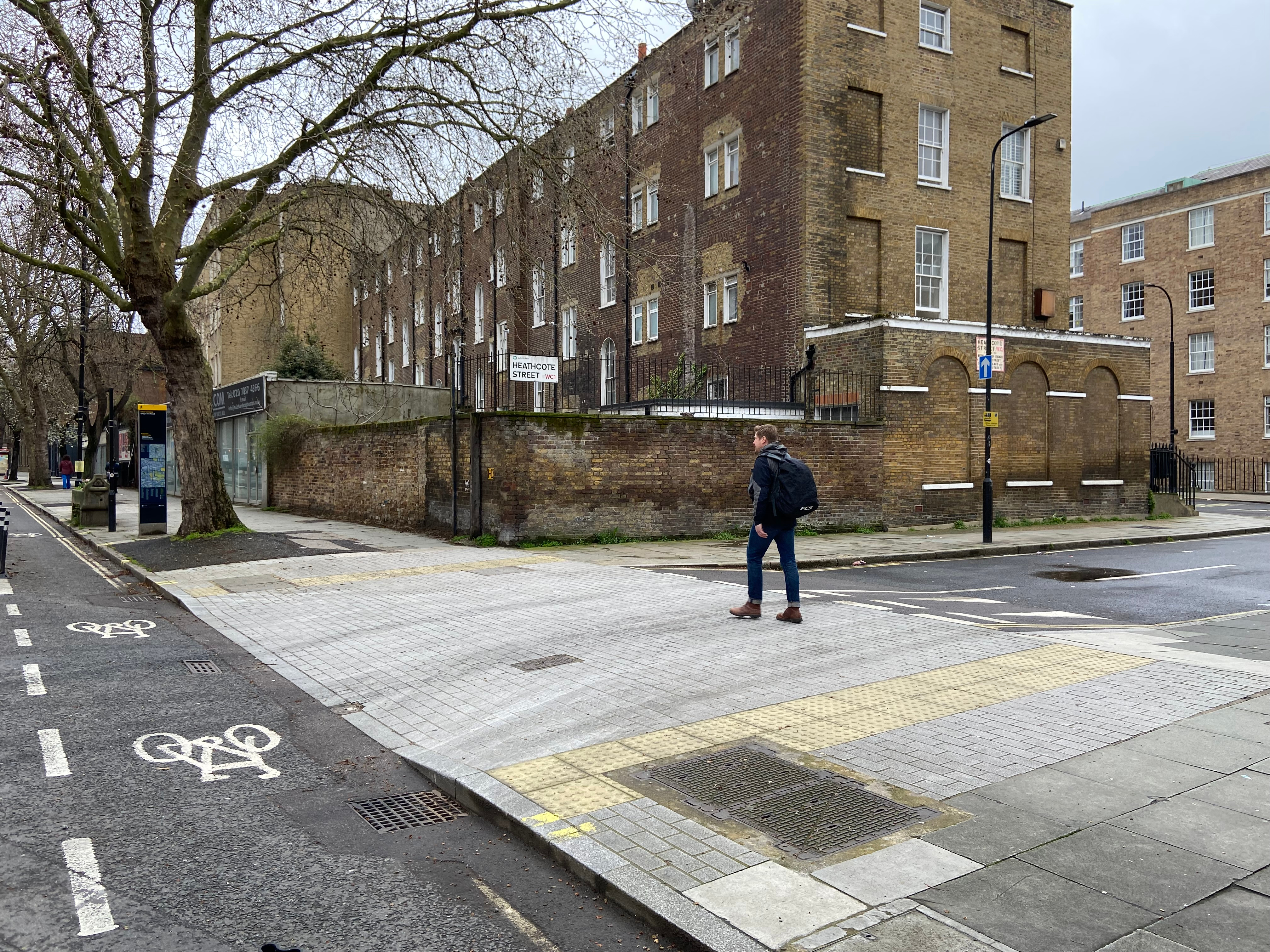
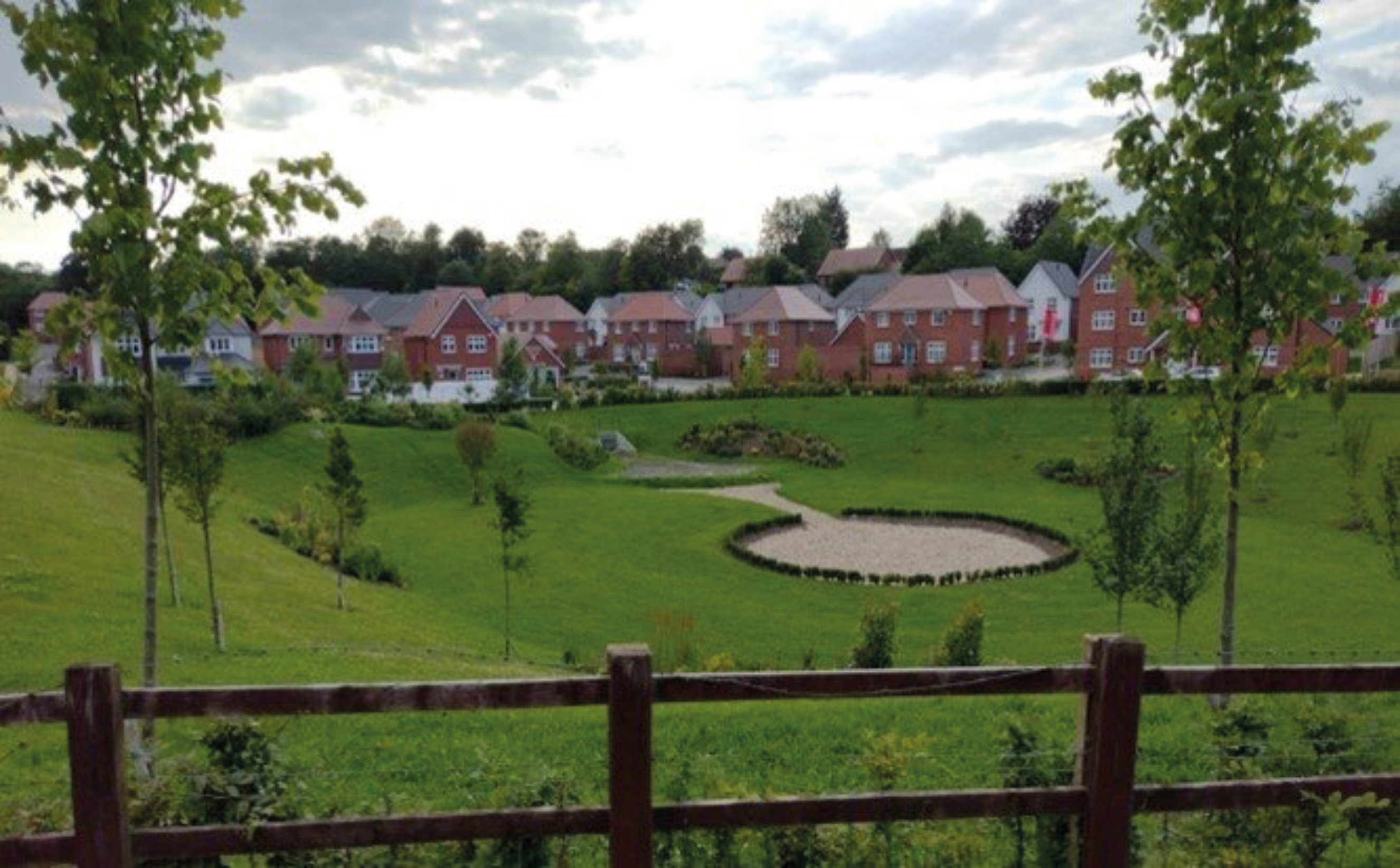
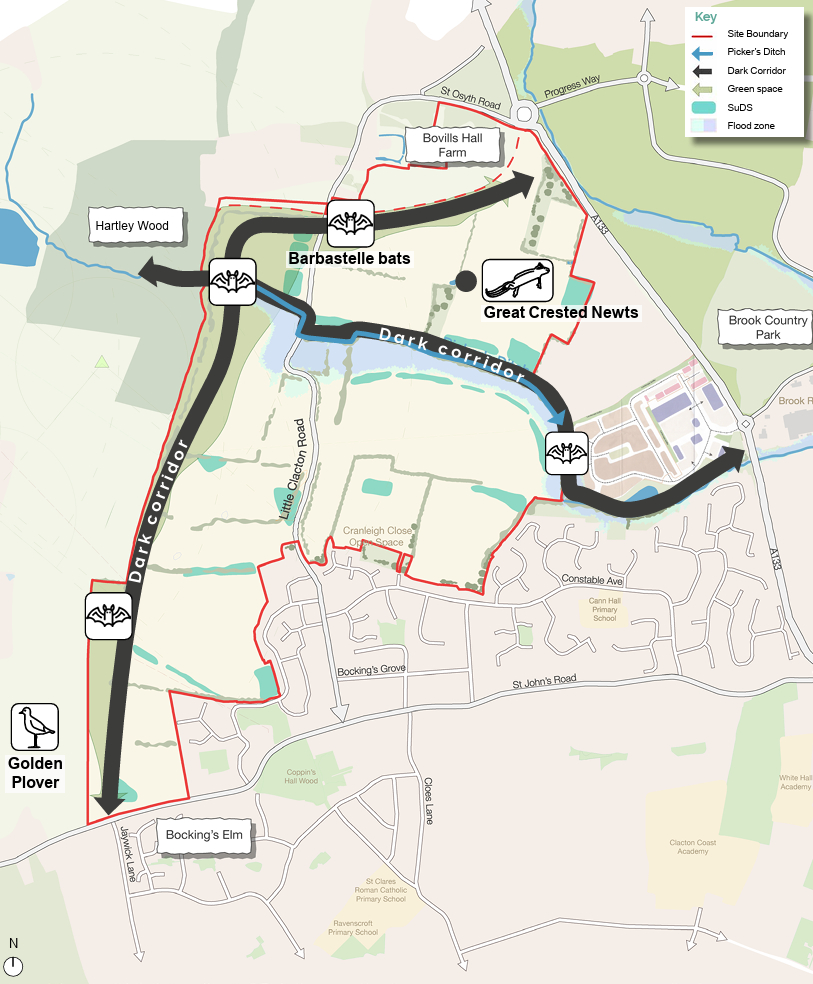
Biodiversity and drainage plan - click to enlarge
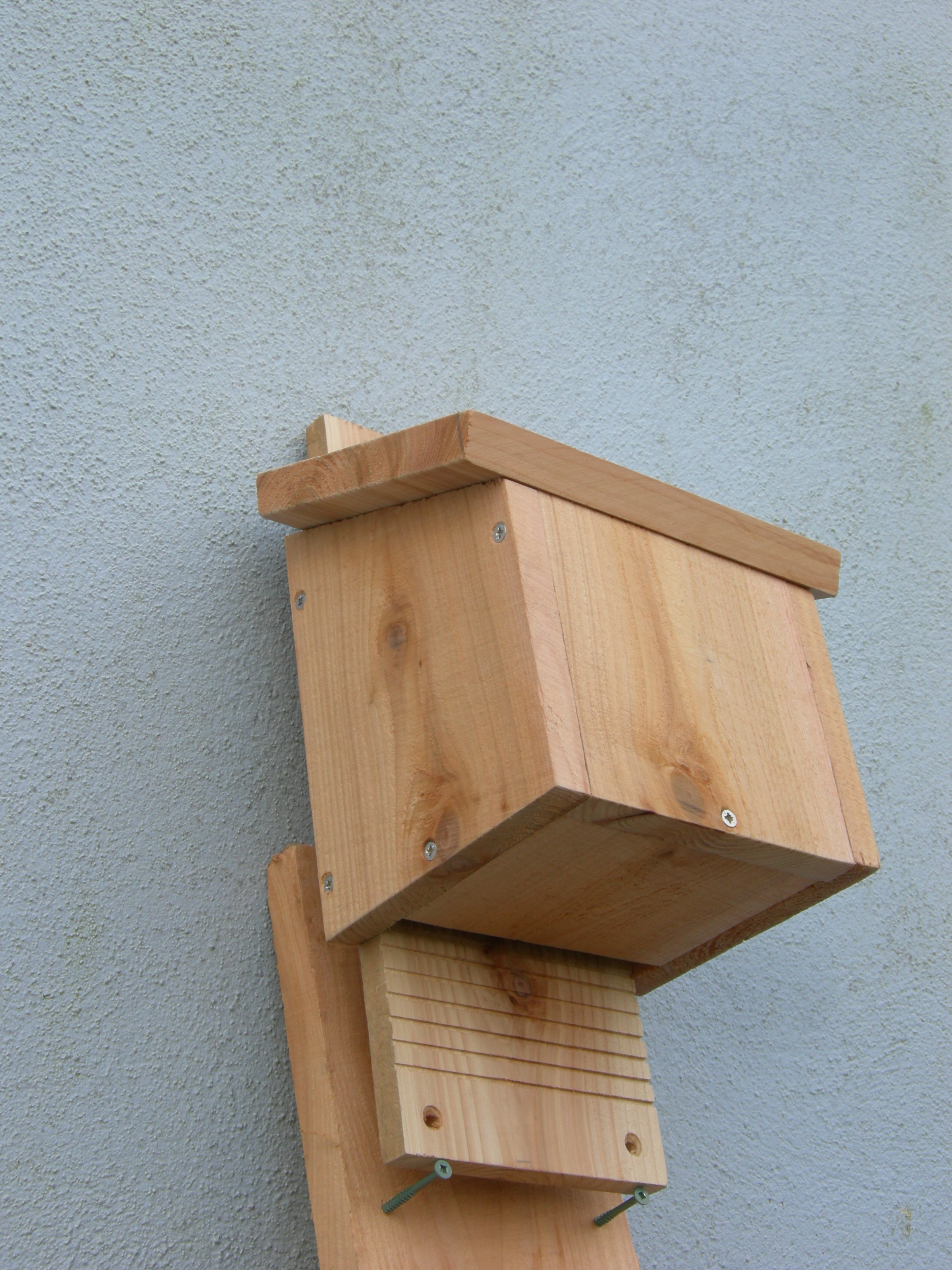
A Dark corridor will support the movement, foraging, Edible landscape and roosting of barbastelle bats
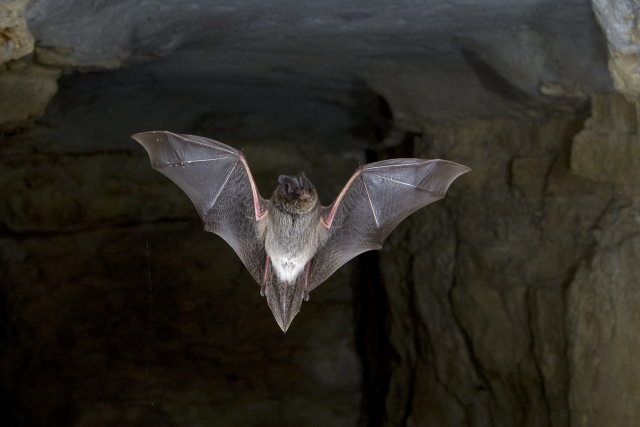
© Robiller / Naturlichter.de, CC BY-SA 3.0 <https://creativecommons.org/licenses/by-sa/3.0>, via Wikimedia Commons
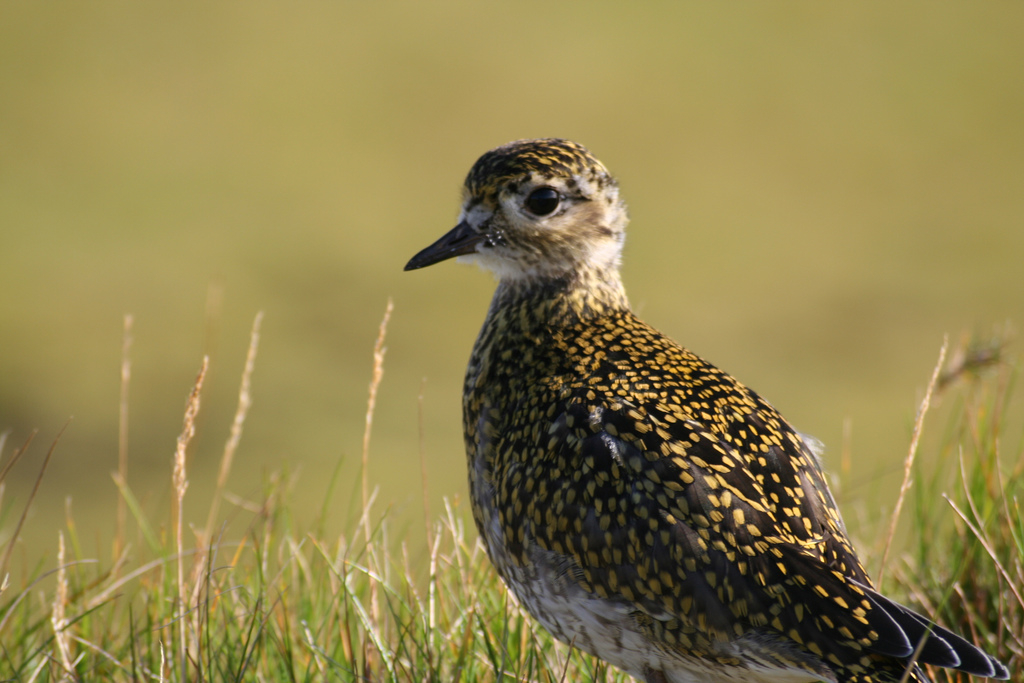
© Quirin Herzog, CC BY-SA 3.0 <http://creativecommons.org/licenses/by-sa/3.0/>, via Wikimedia Commons
Wintering Birds - Golden Plover